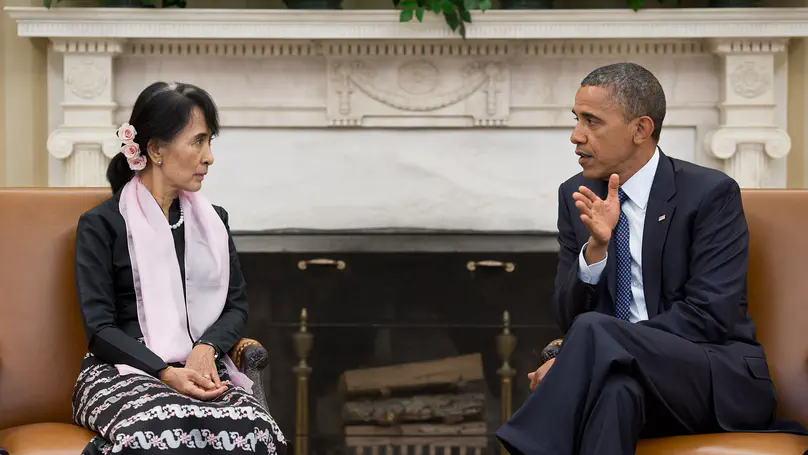
How do states decide whether to sponsor foreign nonviolent campaigns? Leveraging new global data, we demonstrate that while liberal democracies are the most frequent sponsors, they consistently prioritize geo-political and economic stability over ideological commitments, often witholding support from movements that threaten to disrupt strategic partnerships
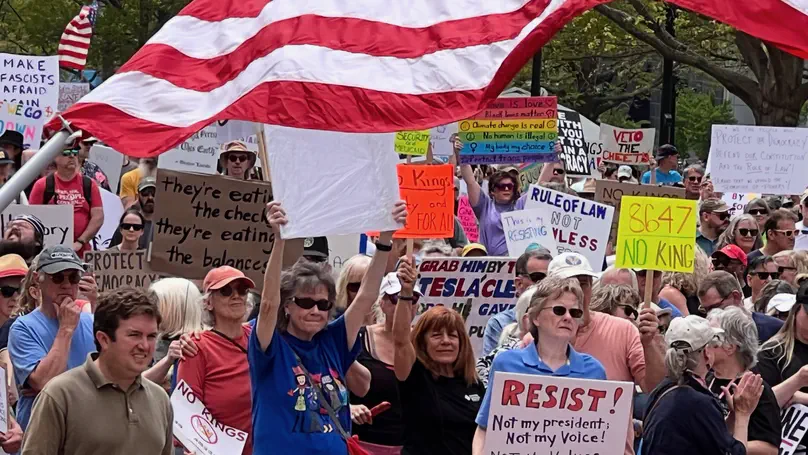
Is the current anti-Trump protest movement limited to liberal strongholds? Our analysis of CCC data shows that dissent has become remarkably widespread, with the typical 2025 protest occurring in a county won by President Trump in 2024. This geographic expansion into ‘Trump country’ represents a significant shift in the landscape of American political mobilization.

In this article, we introduce the Nonviolent and Violent Campaigns and Outcomes (NAVCO) 2.1 dataset, which adds several new variables to NAVCO 2.0 as well as significantly expanding its temporal scope. We use these data to describe seven decades of global resistance and to probe several claims garnered from existing literature.

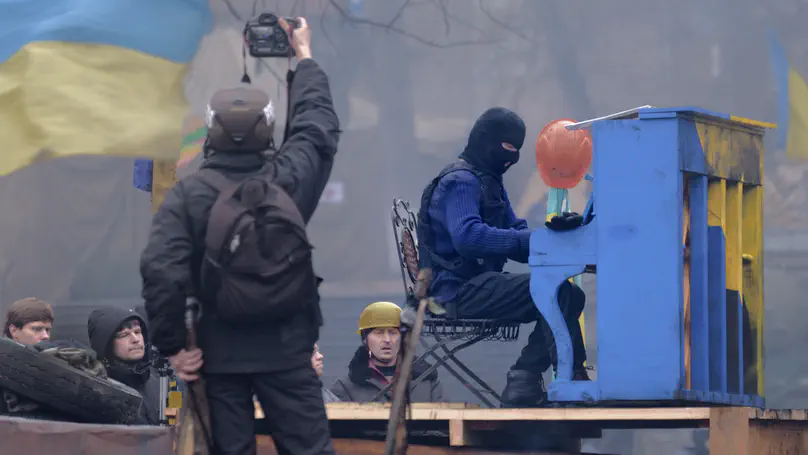
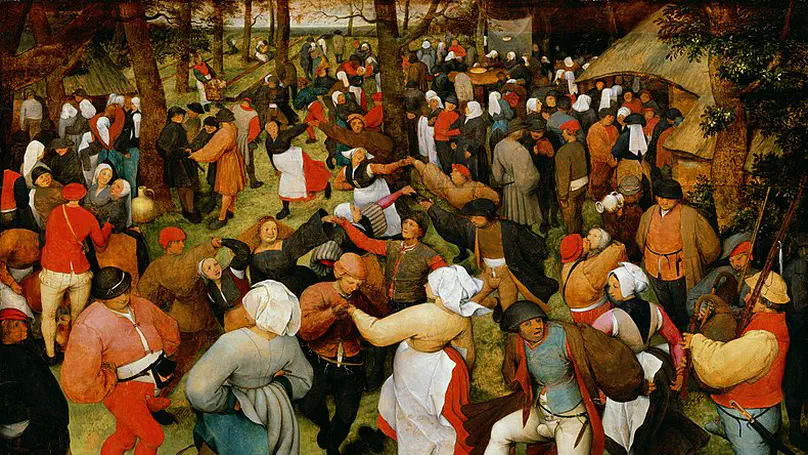
In this article, we investigate individual and collective motives for participating in mass nonviolent movements. We argue that campaign leaders can solve collective action problems and recruit more participants with ’emotive events’- activities like mass singing or dancing that confer rewarding or cathartic emotions to participants who are phyiscally present.